

Vibe Coding and Why Experience Still Matters in the Age of AI
Published
AI can generate code quickly, but true software quality still depends on the judgment, taste, and experience behind the decisions that shape it.


Since 2017, we've delivered projects for businesses of all sizes, from early-stage startups to established organizations. The company's goal is to create lasting value throughout the entire digital transformation journey.
Intro
Vibe coding has become a popular way to describe a new era of building software where ideas move quickly from thought to implementation using AI powered tools. It feels fast, almost effortless at times, and it gives the impression that building quality software is now primarily about prompting correctly and iterating quickly.
At BitWerks, we have been exploring this shift closely through our work in modern web development. What stands out is not just how much faster things can move, but how easy it is to confuse speed with quality.
Tools are powerful but they are not taste
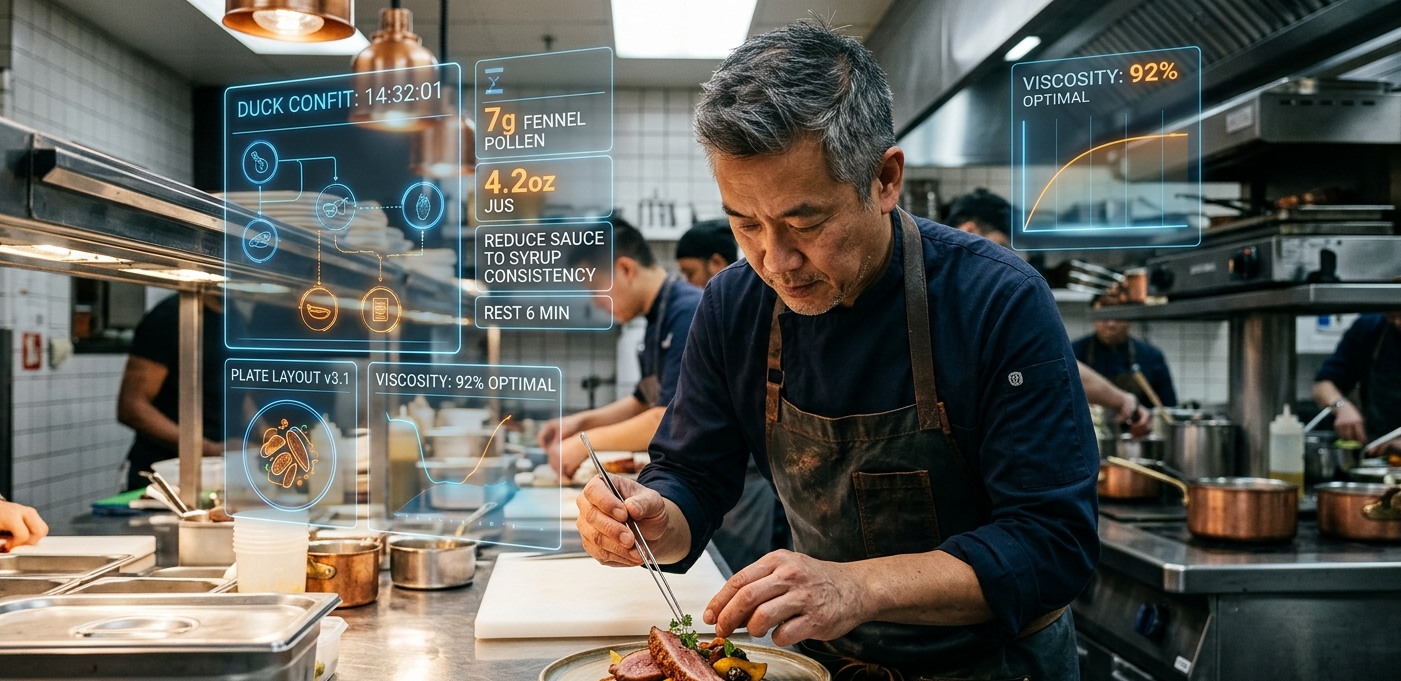
There is a useful analogy that keeps coming up in our internal discussions. If you gave someone with no real cooking experience all the same tools, ingredients, and kitchen setup as a Michelin star chef, you would not expect a Michelin star meal.
The tools might be identical, but the outcome is not.
AI works in a similar way. It can generate code, suggest architectures, and even scaffold entire applications in seconds. But the quality of what gets built still depends on the judgment behind the decisions being made.
This is where experience matters. Understanding tradeoffs, knowing what to avoid, and recognizing when something looks correct but will fail under real conditions is not something a tool can provide on its own.
The hidden layer behind good software
On the surface, vibe coding can make most outputs look acceptable. A working interface, a functioning API, or a clean layout can be generated quickly. The deeper question is what happens when complexity grows.
Real applications are not static. They evolve, scale, and accumulate edge cases. This is where inexperienced decision making starts to compound into fragile systems.
At BitWerks, our background is rooted in years of building production systems before AI assisted development was widely available. That experience has trained us to think in terms of long term maintainability, system reliability, and performance under real usage patterns. You can learn more about how we approach this kind of work on our services page.
AI is now part of our workflow, but it is layered on top of that foundation rather than replacing it.
AI as an amplifier, not a replacement
The most effective way we have found to use AI in software development is as an amplifier of skilled thinking. It helps speed up exploration, reduces repetitive work, and allows more room for experimentation.
But it does not replace architectural thinking, product intuition, or engineering discipline.
This is an important distinction. Without it, teams risk shipping software that looks polished at first glance but breaks down when real users interact with it in unexpected ways.
This is also why our process at BitWerks emphasizes review, iteration, and human judgment at every stage.
Why experience still defines quality
Experience in software development is not just about writing code faster. It is about recognizing patterns, anticipating failure points, and making decisions that hold up over time.
AI can suggest solutions, but it cannot truly understand context in the way a seasoned engineer can. It does not carry the memory of past systems that scaled poorly, or the lessons learned from production issues that only appear at high usage.
That is the difference between generating output and building systems that last.
At BitWerks, we have seen how these differences play out across dozens of projects, which is why we focus heavily on thoughtful engineering practices rather than purely speed driven development. More examples of our work can be found here.
Closing perspective
Vibe coding is not a trend to dismiss. It represents a real shift in how software gets built. It lowers barriers and unlocks new levels of productivity.
But it does not remove the need for experienced decision making.
The real value lies in combining modern AI tools with deep engineering judgment. That combination is what produces software that is not only functional, but reliable, scalable, and thoughtfully designed.
That is the approach we bring to every project at BitWerks, and it is what continues to separate fast output from meaningful engineering.
If you want to explore working with a team that understands both the craft and the new tools shaping it, you can reach us here.